
When it comes to buying fragrance oils in bulk, the allure of cost savings can be tempting, but it’s essential to remember that not all fragrance oils are created equal. For businesses looking to create candles, skincare products, perfumes, or room sprays, purchasing bulk fragrance oils without proper testing can lead to poor product performance and customer dissatisfaction. Imagine a scenario where a batch of candles doesn’t deliver the strong scent throw you expected, or your skin care line irritates customers due to low-quality oils.
This is why testing fragrance oils before committing to bulk orders is crucial. Not only does it save you from wasting money, but it also ensures that the oils you choose are compatible with your products and will meet your customer expectations. In this guide, we’ll walk you through a comprehensive testing process to help you select only the best oils that will perform well in your final products.
At Bintammam Perfumes, we understand the importance of high-quality fragrance oils. That’s why we offer a sample of oils designed for businesses looking to test their products before committing to larger orders.
What You Need to Know About Fragrance Oils
Fragrance oils are typically formulated with a combination of synthetic chemicals, natural extracts, and solvents to create the desired scent profile. They are preferred in commercial applications because they offer a more stable and consistent scent, especially when exposed to heat or varying conditions. When buying fragrance oils in bulk, it’s crucial to assess their composition and quality to ensure they’ll deliver the performance you need in your end products.
Understanding the basic components of fragrance oils will guide you as you test them in your products. Additionally, make sure to evaluate the flashpoint, which is the temperature at which the oil will vaporise. This is particularly important for candle making, since oils with higher flash points are safer and more stable when exposed to heat. Always ensure that the oils you buy are phthalate-free, non-toxic, and meet the required safety standards, as verified by Safety Data Sheets (SDS) from your supplier.
How to Effectively Test Fragrance Oils: A Step-by-Step Guide
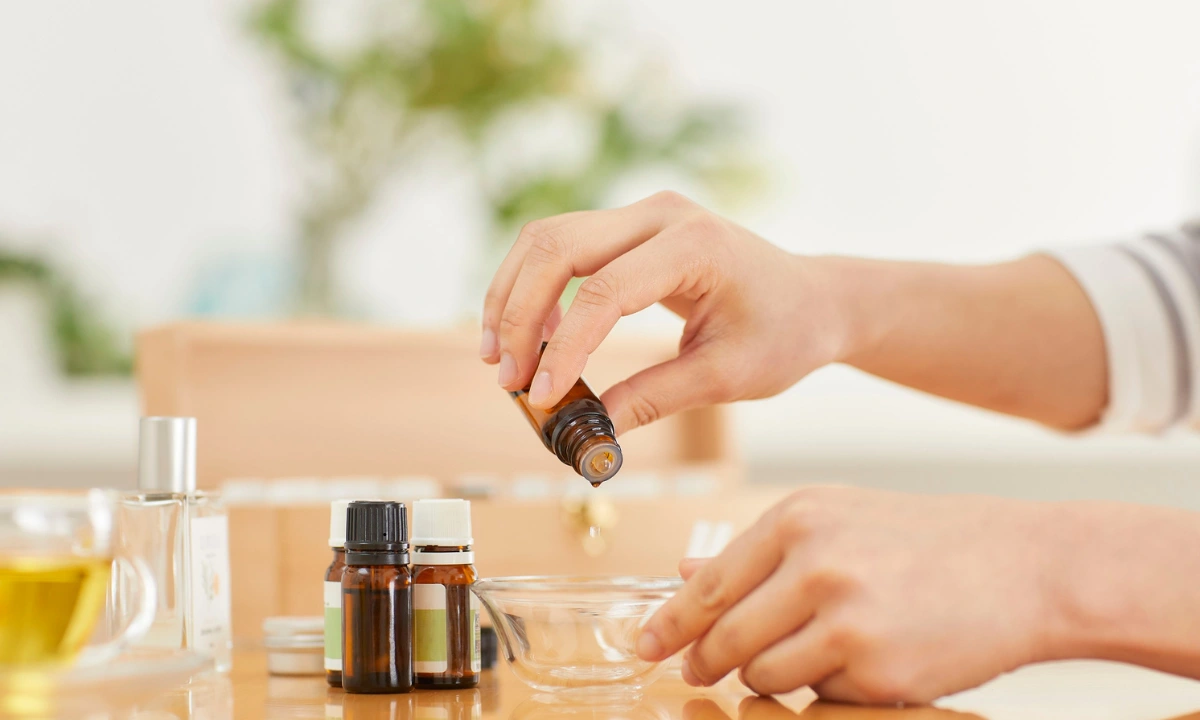
Testing fragrance oils before purchasing them in bulk involves more than just smelling them from the bottle. To ensure the oil performs well in your final product, you must evaluate it based on factors such as scent strength, longevity, compatibility with other ingredients, and safety. Here’s a step-by-step guide on how to test fragrance oils effectively:
Step 1: Conduct a Cold Throw Test
The cold throw refers to how strong the fragrance is when added to the base material at room temperature, before it is exposed to heat. To start, you’ll need to choose the product base you intend to use the fragrance oil with, such as wax for candles or lotion for skincare products. Add a small amount of fragrance oil to the base, keeping in mind the appropriate fragrance load (percentage of fragrance in the base), which may vary by product.
Once you’ve added the fragrance oil, evaluate the fragrance’s strength immediately after mixing. This helps you understand how the oil performs before it is heated. After the initial evaluation, let the mixture sit for a few hours and then check again. Over time, the fragrance may evolve, and you’ll want to assess how it develops. If the scent is too weak or unpleasant, you may need to adjust the fragrance load when formulating the product. This test helps you gauge how the fragrance oil interacts with your base material at room temperature.
Step 2: Perform a Hot Throw Test
The hot throw is just as important as the cold throw for heat-exposed products, such as candles and diffusers. When fragrance oils are exposed to heat, they release scent into the air, so you want to ensure the fragrance performs well when heated. To test the hot throw, light a candle or use a diffuser with the fragrance oil. Observe the scent strength as the product is heated. This allows you to assess how well the fragrance is released into the air when exposed to flame or heat.
Move around the space to test the scent at different distances. Take note of how strong the fragrance is and how long it lasts. Some fragrance oils may have a strong initial scent that fades quickly, while others may have a more consistent scent throw throughout the burn or diffusion process. If the scent is weak or doesn’t last long, it could indicate that the fragrance oil evaporates too quickly, a common issue with certain oils in candles or diffusers.
Step 3: Stability and Longevity Testing
Fragrance oils should remain stable and retain their scent over time. To test the stability of the fragrance oil, store it in a cool, dark place in a sealed container for several weeks. During this period, monitor any changes in the oil’s appearance, such as cloudiness, separation, or discoloration. Fragrance oils that lose their scent quickly, change colour, or become cloudy should not be used in products that require long-term use. Stability is especially important for candles and skincare products, where the oil will be exposed to varying conditions such as heat, light, and air.
After the storage period, evaluate the fragrance again to confirm it has retained its integrity. The oil should not separate, change colour significantly, or lose its fragrance intensity. If the oil shows signs of instability, it’s not suitable for bulk purchase.
Step 4: Perform Skin Sensitivity Testing
If you plan to use fragrance oils in skin-contact products such as lotions, soaps, or perfumes, it’s essential to conduct patch testing. To perform this test, dilute the fragrance oil with a carrier oil (such as jojoba or sweet almond oil) to reduce the risk of irritation. Apply a small amount of the diluted oil to the inner forearm or behind the ear, and wait 24-48 hours to see if any irritation, itching, or redness occurs.
This test is particularly important because some fragrance oils contain synthetic chemicals that may cause allergic reactions or skin sensitivities. Always ensure the fragrance oil is phthalate-free, non-toxic, and labelled as skin-safe. Testing the oil on a small area of skin before incorporating it into your product will help avoid any unwanted side effects for your customers.
Key Factors to Look for When Testing Fragrance Oils
When testing fragrance oils, there are several important factors to consider to ensure you choose the best option for your products:
Scent Strength and Longevity
The scent strength is one of the first factors to consider when testing fragrance oils. It refers to how intense the fragrance is when first applied to your product, such as candle wax or skincare lotions. Testing should be done both at room temperature and in environments exposed to heat or humidity to understand how the fragrance will behave under real conditions. The scent throw, how well the fragrance spreads in a room, is important to evaluate, especially for products like candles and diffusers. If the fragrance doesn’t last long or is too weak, it may not be suitable for your products.
The longevity of the fragrance is also essential. Some oils evaporate quickly, leaving behind a faint or inconsistent scent. For products like perfumes or body care items intended to have a long-lasting fragrance, the oil’s evaporation rate must be assessed. Ensure the fragrance remains strong for the desired duration and doesn’t fade quickly after application.
Compatibility with Other Ingredients
Compatibility testing is crucial to ensure the fragrance oil blends well with other ingredients in your product, such as candle wax or skincare base oils. When oils don’t mix well with the base, it can lead to issues such as separation or uneven scent distribution, which can impact the quality of your final product. For candles, test how the fragrance behaves with different waxes to ensure a consistent scent throw. In skincare, ensure the fragrance doesn’t irritate the skin or affect the texture of your lotions or creams.
In aromatherapy, blending fragrance oils with essential oils is common. It’s essential to test how the fragrance oils mix with the essential oils to ensure the combined scent doesn’t overpower or clash. Compatibility testing ensures smooth integration with your products and preserves the intended fragrance experience.
Appearance and Texture
Fragrance oils should be tested for clarity and viscosity as part of the evaluation. Poor-quality oils can be cloudy or have an inconsistent texture, which might affect your product’s visual appeal and texture. For example, in candles, the oil should not cause the wax to look cloudy or discoloured. When mixed into lotions or bath products, the oil should maintain a smooth, consistent texture without separating.
Chemical Safety and Purity Testing
Ensuring the safety of fragrance oils is critical, especially when they are used in products like skincare or candles. Always ask your supplier for the Safety Data Sheet (SDS) to verify the fragrance oil’s toxicity, flammability, and skin safety. The SDS provides essential details about the fragrance oil’s composition and any necessary precautions, ensuring that the oil is safe for use in your intended product.
In addition to safety documentation, it’s important to check whether the fragrance oils are phthalate-free and non-toxic, especially when used in skincare or body care products. Ensuring purity and compliance with industry standards, such as IFRA (International Fragrance Association) guidelines, will protect both your customers and your brand’s reputation.
Choosing a Reputable Wholesale Fragrance Oil Distributor
The supplier you choose plays a major role in the quality of fragrance oils you’ll receive. When sourcing bulk fragrance oils, it’s essential to partner with a reputable and trustworthy wholesaler. Here’s how you can vet a fragrance oil supplier:
Reputation and Transparency
Look for suppliers with a solid reputation and positive customer reviews. A good fragrance oil distributor will be transparent about their sourcing, manufacturing processes, and safety standards. Check if they provide Safety Data Sheets (SDS) and certifications for their oils, such as phthalate-free and skin-safe certifications. At Bintammam Perfumes, we ensure that every oil we offer is of the highest quality and provide detailed documentation and support.
Customer Support and Service
Choose a distributor that offers excellent customer support and is responsive to your questions about testing fragrance oils or custom orders. Whether you need help with blending oils or advice on fragrance performance, the supplier should be available to guide you.
Certifications and Safety Standards
Ensure your fragrance oil supplier complies with IFRA standards and offers oils that are free from harmful chemicals. The best suppliers will provide full transparency on their oil’s composition, allowing you to make safe, informed decisions.
Common Pitfalls to Avoid When Buying Fragrance Oils in Bulk
Overlooking the Supplier’s Reputation
When purchasing fragrance oils in bulk, it’s essential to evaluate your supplier’s reputation. Some suppliers may offer low-cost oils, but these could compromise the quality of your final product. Oils from unreliable suppliers may be poor in quality or unsafe for use, especially in skincare products. Always research the supplier thoroughly by checking customer reviews, certifications, and product guarantees. A trusted supplier will provide Safety Data Sheets (SDSs) and transparency about the ingredients used, ensuring you’re getting high-quality, safe fragrance oils for your products.
Focusing Only on Price
While price is always a factor when purchasing in bulk, focusing solely on the cost can lead to compromises in quality. Cheaper fragrance oils may seem like a good deal, but they often perform poorly in the final product, whether in scent throw, longevity, or compatibility with other ingredients. Opting for lower-quality oils could lead to product failure and damage your brand’s reputation. Always ensure that the price aligns with the quality, performance, and safety standards that your products require.
Ignoring Proper Storage Conditions
Proper storage is critical to maintaining the integrity of fragrance oils over time. If fragrance oils are stored improperly, they can lose their scent, become unstable, or degrade. Always store your oils in dark glass containers and keep them in a cool, dry environment to preserve their fragrance and stability. Avoid exposing oils to direct sunlight or extreme temperatures, as this can reduce their longevity and performance in final products. Proper storage ensures that the fragrance oils maintain their quality and consistency for long-term use.
Frequently Asked Questions (FAQs)
What fragrance oils last the longest in candles?
Oils like Amber & Musk and Citrus & Sage are ideal for candles, as they have a high flash point and a strong scent throw.
Which fragrance oils are safe for skin?
Choose oils that are phthalate-free and skin-safe, like lavender and rose. Always perform a patch test before full application.
How do I know if a fragrance oil is high quality?
Look for oils with consistent scent throw, no separation, and SDS certifications that meet safety standards.
Can I blend two fragrance oils?
Yes, blending oils can create a unique fragrance. Ensure the oils complement each other by balancing the top, middle, and base notes.
Where can I buy Premium fragrance oils in Dubai?
Visit Bintammam Perfumes in Deira, Dubai, for a wide selection of high-quality fragrance oils perfect for candles, skincare, and more.
Final Thought
Testing fragrance oils before purchasing in bulk is an essential step to ensure your products meet customer expectations. By carefully testing oils for scent longevity, flashpoint, and compatibility, you can confidently choose oils that will perform well in your final products. With Bintammam Perfumes Dubai, you can access Premium fragrance oils that are safety-tested, phthalate-free, and long-lasting. Ready to explore Premium fragrance oils? Visit Bintammam Perfumes today and discover a curated selection perfect for all your product needs.