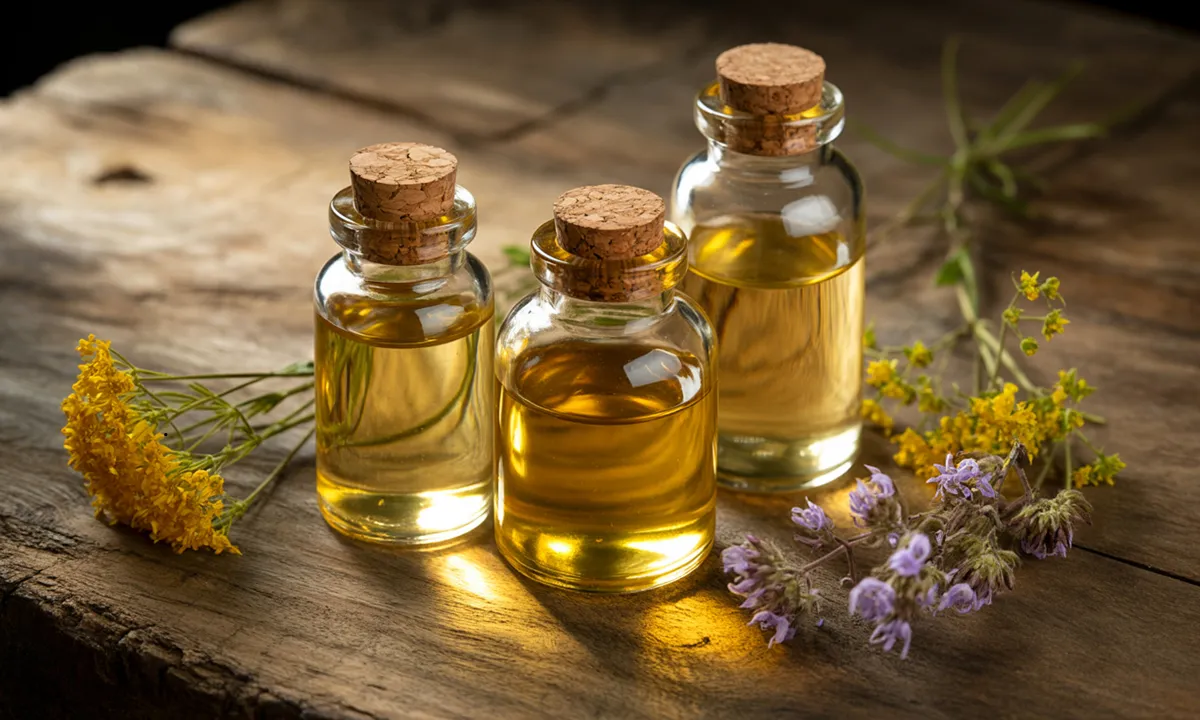


Fragrance plays a big part in our daily lives, whether it’s the perfume we wear, the candles that set the mood, or the soothing aroma of a diffuser. Fragrance oils are what give these products their unique and pleasant scents. But when it comes to choosing the right fragrance for your product, you may face the question: Should you go for natural fragrance oils or synthetic ones?
The decision between natural and synthetic fragrance oils can be overwhelming, especially when you’re considering factors like cost, sustainability, performance, and health implications. Both types have their pros and cons, and understanding them will help you choose the right one for your product, whether you’re creating luxury perfumes, eco-friendly skincare, or affordable home fragrances.
What Are Fragrance Oils?
Fragrance oils are concentrated liquids used to add scent to various products, from perfumes to candles and diffusers. These oils can be made from natural ingredients, such as plants and flowers, or from synthetic compounds created in laboratories. The two main types of fragrance oils are natural and synthetic, each offering distinct advantages.
Natural Fragrance Oils
Natural fragrance oils are derived from plant-based sources such as flowers, fruits, herbs, and resins. They are eco-friendly, non-toxic, and often used in products that emphasize clean beauty, wellness, and sustainability. The extraction of these oils typically involves steam distillation, cold pressing, or solvent extraction methods to retain the plant’s natural aroma.
Synthetic Fragrance Oils
Synthetic fragrance oils are artificial in laboratories, designed to replicate the scents of natural oils or create entirely new fragrances. These oils are produced using aroma chemicals, which can be derived from petrochemicals or bioengineered substances. Synthetic fragrance oils offer a wide variety of scents, often with greater stability and longer shelf life than their natural counterparts.
Natural Fragrance Oils – Benefits and Drawbacks
Natural fragrance oils are often associated with wellness and sustainability. As consumers become more conscious of their choices, natural fragrance oils are increasingly popular for eco-conscious brands and health-focused products.
Benefits of Natural Fragrance Oils
- Health and Skin Compatibility: Less likely to cause allergic reactions or skin irritation compared to synthetic oils. This makes them ideal for clean beauty products.
- Eco-friendly Sourcing: Natural oils are often sustainably sourced, appealing to environmentally conscious consumers who prioritize sustainability in their purchases.
- Therapeutic Properties: Many natural oils have therapeutic benefits. For instance:
- Lavender is known for its calming effects.
- Eucalyptus is used for respiratory support.
- Ideal for Wellness Products: These properties make natural fragrance oils perfect for aromatherapy oils and wellness-focused candles.
Drawbacks of Natural Fragrance Oils
- Higher Cost: Natural oils are more expensive to produce due to the extraction process and the cost of sourcing plant materials.
- Shorter Shelf Life: Natural oils have a shorter shelf life than synthetic oils because they can degrade over time.
- Inconsistent Quality: Limited availability of certain plant-based oils can lead to inconsistent fragrance quality across batches.
Best Uses for Natural Fragrance Oils
Natural fragrance oils are commonly used in skincare products, aromatherapy items, and luxury perfumes. Brands that focus on wellness and clean beauty often prefer these oils due to their authenticity and eco-conscious appeal. Products such as candles, diffusers, and essential oils also benefit from natural fragrance oils, creating an all-natural, soothing environment.
Synthetic Fragrance Oils – Advantages and Challenges
Synthetic fragrance oils provide a cost-effective, stable, and versatile option for mass-market products. These oils are often used in products that require long-lasting scent performance and consistent fragrance.
Benefits of Synthetic Fragrance Oils
- Cost-Effective: Cheaper to produce, making them ideal for high-volume products.
- Longer Shelf Life: More stable, making them perfect for long-lasting products like home fragrances and cleaning items.
- Variety of Scents: Offers a wide range of scents, including unique combinations not achievable with natural oils.
Challenges with Synthetic Fragrance Oils
- Health Risks: May cause skin irritation or allergic reactions due to synthetic chemicals.
- Environmental Impact: Often derived from petrochemicals, contributing to pollution and sustainability concerns.
Best Uses for Synthetic Fragrance Oils
Synthetic fragrance oils are most commonly used in mass-market products like cleaning supplies, air fresheners, and affordable perfumes. They are also ideal for products that need a consistent scent profile and long-lasting fragrance, such as candles and diffusers. Their ability to produce fragrances that are both affordable and stable makes them a top choice for high-volume production.
Natural vs. Synthetic Fragrances: Key Differences
| Aspect | Natural Fragrance Oils | Synthetic Fragrance Oils |
| Source | Derived from plant-based sources (flowers, fruits, herbs, resins) | Created in labs using aroma chemicals and petrochemicals |
| Sourcing | Sustainable sourcing from nature | Often derived from petrochemicals or bioengineering |
| Scent Profile | Authentic and complex, reflecting the natural origin | Can mimic natural scents or create entirely new fragrances |
| Cost | Generally, more expensive due to extraction methods and raw material sourcing | More affordable due to cheaper production methods |
| Longevity | Shorter shelf life and fragrance retention | Longer-lasting scent due to chemical stability |
| Stability | Can vary from batch to batch; less stable | Consistent scent across batches |
| Health Impact | Generally safer for the skin and less likely to cause allergies | Some chemicals may cause skin irritation or allergies |
| Environmental Impact | Eco-friendly if sourced sustainably | May contribute to pollution if derived from petrochemicals |
| Uses | Skincare, wellness, luxury perfumes, clean beauty products | Mass-market products like cleaning supplies, affordable perfumes |
| Regulatory Compliance | Often regulated by industry standards (e.g., IFRA) | Regulated by industry standards, but some synthetic chemicals face scrutiny |
| Consumer Appeal | Preferred for clean beauty, wellness, and eco-conscious products | Ideal for budget-friendly, long-lasting fragrance options |
What Are Blended Fragrance Oils?
Blended fragrance oils are a combination of natural oils and synthetic fragrances. This hybrid approach allows brands to take advantage of the authenticity of natural oils while benefiting from the cost-effectiveness and stability of synthetic oils. For example, a company might use lavender or rose oil for its calming properties but add a synthetic compound to enhance the fragrance’s longevity or to achieve a more complex scent profile.
Blended oils are often the go-to choice for brands that want to create a signature scent or a fragrance that stands out in the market. By combining natural and synthetic oils, companies can offer premium-quality fragrances at a more affordable price point.
Why Brands Choose Blended Fragrances
Brands often choose blended fragrances for practical reasons. For instance, natural oils, while highly valued for their purity and therapeutic properties, can be expensive and may not always provide the longevity needed for certain products. By blending these oils with synthetic components, brands can keep production costs lower while maintaining a high-quality fragrance.
Moreover, blended fragrances allow for creativity and innovation. Some scents simply don’t exist in nature, but they can be created by combining synthetic and natural oils. This makes blended fragrances ideal for novelty products or those aiming for a unique aroma that isn’t available with natural oils alone.
Which Should You Choose? Natural or Synthetic Fragrance Oils?
Choosing between natural and synthetic fragrance oils largely depends on your product type, budget, and target market. For brands focusing on luxury products, such as high-end candles, skincare, and aromatherapy items, natural fragrance oils are often the preferred choice. These oils appeal to consumers seeking organic, clean, and sustainable ingredients. The purity of natural oils, coupled with their connection to nature, enhances the overall experience for consumers who prioritize wellness and eco-friendly practices in their purchasing decisions.
However, for mass-market products that require consistent performance and a long-lasting scent, synthetic fragrance oils may be the better option. Synthetic oils are typically more affordable and offer greater stability, ensuring that your product performs reliably over time, regardless of production batch. Synthetic oils also enable a broader range of popular scents, which can be a major advantage for brands targeting a wide audience across different price points.
Choosing the Right Fragrance Oil Supplier
When purchasing fragrance oils, it’s crucial to choose a reputable supplier who provides high-quality oils that meet safety and industry standards. The right supplier will ensure that the fragrance oils you’re using are phthalate-free, skin-safe, and eco-friendly. These factors are essential for maintaining the integrity of your products and consumer trust.
At Bintammam Perfumes, we take great pride in offering a diverse range of both natural and synthetic oils. All of our products meet the highest standards for purity, safety, and performance. We go a step further by providing Safety Data Sheets (SDS) for every product, ensuring transparency and safety in our offerings. Whether you’re looking for luxury or affordable fragrance solutions, Bintammam Perfumes guarantees top-quality oils suited for all your product needs, available right here in Deira, Dubai.
Choosing the right fragrance oil supplier is crucial to ensuring your brand delivers high-quality, safe products that meet your customers’ expectations and comply with regulatory standards.
Conclusion: Making the Right Choice for Your Products
Ultimately, the decision between natural and synthetic fragrance oils comes down to understanding your product’s needs, target audience, and budget. While natural oils provide an organic, clean appeal, perfect for wellness and luxury products, synthetic oils offer affordable, long-lasting options ideal for mass-market goods.
When selecting fragrance oils for your brand, it’s important to carefully evaluate the pros and cons of each type to ensure you’re making the best choice for your products. Consider the intended scent profile, performance requirements, and how each option aligns with your brand values.
For the highest quality and performance in fragrance oils, visit Bintammam Perfumes in Deira, Dubai. We offer a curated selection of both natural and synthetic oils, each tailored to meet the unique needs of your product line. Whether you’re crafting luxurious perfumes, eco-friendly candles, or everyday home fragrance solutions, we have the perfect fragrance oils for you.
Frequently Asked Questions
What’s the difference between natural and synthetic fragrance oils?
Natural fragrance oils come from plant-based sources, while synthetic oils are lab-created using aroma chemicals to mimic or create unique scents.
Which fragrance oils last longer, natural or synthetic?
Synthetic fragrance oils tend to last longer than natural oils due to their chemical stability and resilience in varying conditions.
Are natural fragrance oils better for skincare products?
Yes, natural fragrance oils are generally considered safer and gentler on the skin, making them an ideal choice for skincare products and wellness applications.
Can I use synthetic fragrance oils in luxury candles?
Yes, synthetic fragrance oils are often used in luxury candles for their consistent scent throw, longevity, and ability to create unique, custom fragrances at a lower cost.
What are the benefits of blending natural and synthetic fragrance oils?
Blending natural and synthetic oils allows for a balance of authentic scent profiles, cost-effectiveness, and long-lasting performance, making it a versatile option for various product types.