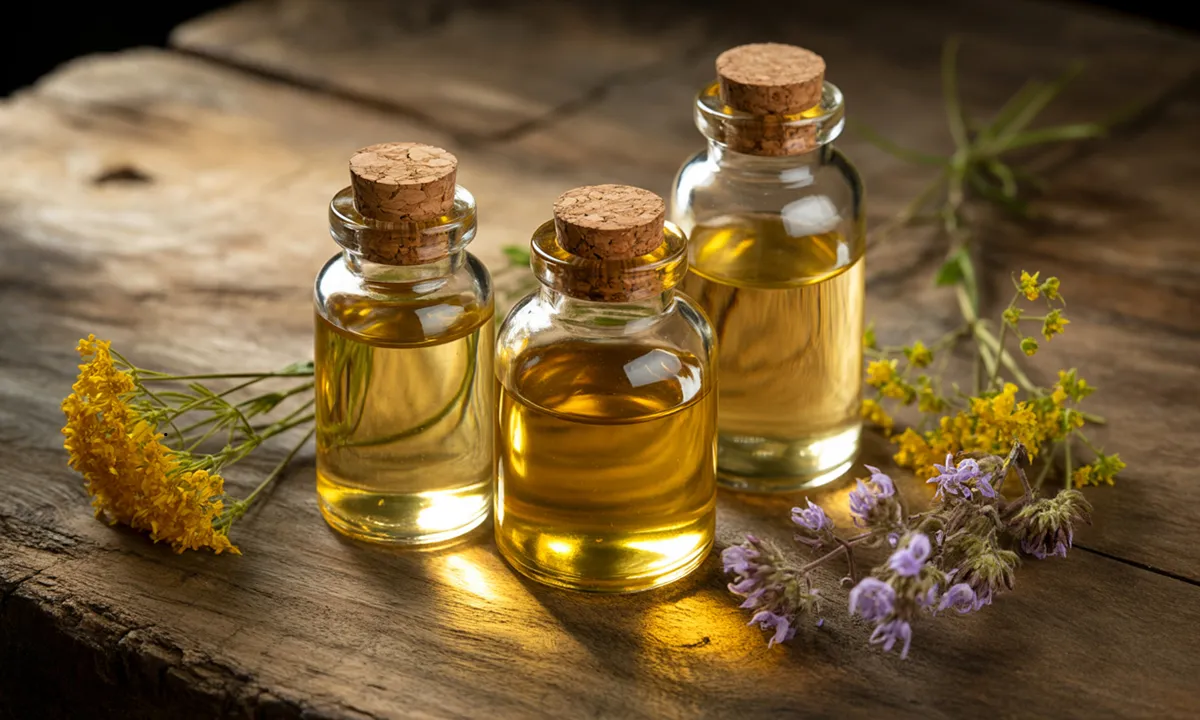

Starting a perfume business involves more than choosing attractive fragrances and selling them in bottles. You first have to decide what type of perfume business you want to operate, which products you plan to sell and how you will source them. Some entrepreneurs start by reselling finished perfumes, while others build their own oil-based fragrance collections or launch private-label perfume brands.
Your business model will influence the products you purchase, the suppliers you work with, your initial inventory and the costs involved in preparing products for sale.
At Bin Tammam, we supply wholesale perfume oils to retailers, resellers, distributors and businesses developing their own fragrance collections. We understand that new perfume businesses have different sourcing requirements. This guide explains the main business models, the products you can consider and how to plan your initial fragrance collection before purchasing in bulk.
Different Ways to Start a Perfume Business
There is no single way to enter the perfume industry. Your options depend on whether you want to sell existing products, develop your own fragrance collection or source perfume oils for further production. Understanding these business models will help you decide which products and suppliers are relevant to your plans.
Selling Finished Perfumes as a Retailer or Reseller
One way to start a perfume business is to purchase finished perfumes from wholesalers or authorised distributors and sell them to customers. In this model, the products are already prepared, packaged and labelled, so you do not have to develop the fragrance formulation yourself.
You can build a retail collection around different fragrance brands, price ranges and customer preferences. Depending on your sales strategy, you may sell through a physical perfume shop, an ecommerce website, social media or other retail channels.
This model is suitable for entrepreneurs who want to focus on product selection, customer service and sales rather than fragrance production. However, you must consider supplier availability, product authenticity, wholesale purchasing terms and the retail margins available on the products you choose.
Starting an Oil-Based Perfume or Attar Business
An oil-based perfume business focuses on selling fragrances in oil-based formats rather than relying entirely on conventional spray perfumes. Products may include traditional attars, prepared perfume oils and roll-on fragrances.
This business model can appeal to retailers serving customers interested in Arabian perfumes, concentrated fragrance products and traditional oil-based scents. Your collection might include oud, musk, rose, sandalwood and other fragrance profiles.
Before purchasing perfume oils, establish whether you are buying a finished product ready for retail sale or a concentrated fragrance material that requires further formulation. These are different products and may involve different preparation, packaging and regulatory requirements.
For a business selling finished oil-based perfumes, you must also consider suitable containers, applicators, product labelling and the requirements that apply to cosmetic products in your target market.
Launching a Private-Label Perfume Brand
A private-label perfume business allows you to sell fragrance products under your own brand name. Instead of building your entire collection around existing retail brands, you develop a product range with your own branding, positioning and presentation.
You may source finished fragrance products or purchase perfume oils for further development, depending on the supplier arrangement and your production capabilities.
For example, a new brand might begin with a focused collection featuring fresh, floral, woody and oud-inspired fragrances. Each product can have its own name, presentation and place within the overall collection.
Before choosing this model, decide what you expect your supplier to provide. Wholesale perfume oil supply does not automatically include fragrance formulation, bottle filling, label printing or finished-product manufacturing. Confirm the services available before planning your production process.
At Bin Tammam, our private-label perfume oils category is relevant to businesses exploring fragrance sourcing for their own collections.
Creating Your Own Perfume Products
Another option is to develop your own finished perfume products using fragrance materials and a suitable formulation process. This gives a business more control over its product development, but it also involves additional responsibilities.
You must understand the materials used in the formulation, their compatibility, appropriate use levels and the requirements for the finished product. If you plan to produce alcohol-based perfumes, for example, you must consider the fragrance concentrate, perfumer’s alcohol, formulation process and finished-product specifications.
Businesses taking this route may work with qualified formulators or specialist manufacturing partners, depending on their knowledge and production setup.
It is important to distinguish developing a fragrance product from simply purchasing a concentrated perfume oil. A fragrance concentrate is one part of the production process and should not automatically be treated as a finished perfume suitable for retail sale.
Which Perfume Products Should You Sell?
Once you have selected your business model, the next decision is the type of perfume products you want to offer. Your product range should reflect your target customers, sales channel and available sourcing options.
Concentrated Perfume Oils
Concentrated perfume oils are fragrance materials used in the development of finished perfumes and other fragrance products. They may contain natural aromatic ingredients, synthetic aroma chemicals or a combination of both.
For a business planning to develop its own perfume collection, these oils can provide different scent directions, including floral, fresh, woody, musky, amber and oud-inspired compositions.
However, concentrated perfume oils are not automatically ready-to-use personal fragrances. Their suitability depends on their composition, intended application and relevant product information. If you plan to use them in a finished perfume, confirm the appropriate formulation requirements before production.
Roll-On Perfume Oils and Attars
Roll-on perfume oils and attars are relevant to businesses that want to offer oil-based personal fragrances. Roll-on products use containers with roller-ball applicators, while traditional attars are associated with established oil-based perfumery traditions.
These products can be included in collections aimed at customers who prefer compact fragrance formats and traditional perfume styles.
When selecting these products, consider the fragrance range, container size, applicator quality, finished formulation and product labelling. If you intend to sell ready-to-use products, confirm that they are supplied in a finished format suitable for the intended application.
Finished Spray Perfumes
Finished spray perfumes are another option for retailers and perfume brands. These products generally contain a fragrance composition blended into an alcohol-based formulation and supplied in spray bottles.
A business can purchase finished perfumes from wholesalers or work with a manufacturing partner to develop its own range. The first option allows you to concentrate on retailing, while the second involves more decisions around formulation, packaging, branding and product compliance.
Finished spray perfumes can also be included alongside oil-based products to give customers different fragrance formats.
Private-Label Fragrance Products
Private-label fragrance products allow businesses to create a collection under their own brand identity. Depending on the supplier arrangement, the products may be finished perfumes or fragrance oils intended for further development.
A private-label collection should have a clear product direction. For example, a brand might focus on Arabian-inspired fragrances, modern everyday perfumes or a collection of woody and floral scent profiles.
The important point is to confirm exactly what the supplier provides. Ask whether you are purchasing fragrance oils, finished perfumes or another product format, and establish which additional production and packaging services you must arrange separately.
How to Select Your First Perfume Collection
A new perfume business does not have to launch with a large catalogue. Starting with a focused collection can make purchasing, product presentation and inventory management easier. It also gives you an opportunity to understand customer preferences before expanding the range.
Selecting Fragrance Profiles
Begin by identifying the fragrance directions that fit your intended market. Rather than choosing products randomly, create a collection with a clear balance of scent profiles.
For example, an initial collection could include:
- Fresh fragrances: Citrus, aquatic and light aromatic profiles.
- Floral fragrances: Rose, jasmine and other floral scent directions.
- Woody fragrances: Sandalwood, cedarwood and other warm woody profiles.
- Musky fragrances: Soft, clean or warm musk-inspired compositions.
- Oud fragrances: Woody and resinous profiles associated with Arabian perfumery.
- Amber fragrances: Warm, rich compositions with amber-like characteristics.
These categories are useful starting points, not fixed rules for how every fragrance must be classified. Some perfumes combine several scent directions, such as floral and woody or citrus and musk.
Understanding Your Target Customers
Your product selection should reflect the people you intend to serve. A business targeting customers interested in traditional Arabian perfumes may prioritise oud, musk and attar-style products. A retailer serving a wider audience may prefer a more varied selection of fresh, floral, woody and everyday fragrances.
Also consider how your customers prefer to purchase perfumes. Some may favour compact roll-on products, while others prefer traditional attars or finished spray perfumes.
Understanding these preferences before purchasing helps you choose products with a clearer purpose instead of filling your inventory with fragrances that may not fit your audience.
Starting With a Focused Product Range
When planning your first collection, consider how each fragrance contributes to the overall range. You do not necessarily need several similar floral or woody options if your initial customer base is still untested.
Choose products that offer meaningful differences in fragrance profile and presentation. Keep a record of the product names, references and samples you approve so you can compare customer feedback and make informed purchasing decisions later.
A focused collection also makes it easier to identify which products attract attention and which ones generate repeat purchases. You can use this information when deciding which fragrances to add or reorder.
Before committing to larger quantities, request samples where available and assess the selected fragrances in the intended product format. At Bin Tammam, our fragrance sample kits provide an option for businesses comparing fragrance selections before making wholesale purchasing decisions.
Where to Source Products for a Perfume Business
Finding suitable products is one of the most important decisions when starting a perfume business. Your sourcing approach depends on whether you plan to resell finished perfumes, sell oil-based fragrances or develop a private-label collection.
Before choosing a supplier, establish exactly what you want to purchase. A finished perfume, a concentrated fragrance oil and a prepared roll-on perfume are different products, and each may require a different supply arrangement.
Wholesale Perfume Oil Suppliers
Wholesale perfume oil suppliers provide fragrance oils in quantities intended for commercial buyers. Their customers may include perfume retailers, resellers, distributors and businesses developing their own fragrance products.
Working with a wholesale supplier can give your business access to different fragrance profiles without having to develop every fragrance composition independently. You can compare options such as floral, woody, musk, oud and fresh fragrances according to your planned collection.
When contacting a supplier, explain your business model, intended product format, preferred fragrance categories and estimated purchasing quantity. Also confirm whether the oils are concentrated materials or finished products and ask which relevant product information is available.
At Bin Tammam, we supply wholesale perfume oils to businesses with different commercial requirements. Buyers can review our wholesale perfume oils category and discuss their fragrance preferences with our team.
Finished Product Wholesalers
If you want to sell ready-made perfumes without developing your own products, finished-product wholesalers may be more suitable.
These suppliers provide products that have already been formulated and packaged for retail sale. Depending on the supplier, you may find spray perfumes, oil-based fragrances, attars and other fragrance products.
This approach allows you to concentrate on selecting products, setting retail prices and reaching customers. However, you should check product authenticity, labelling, available stock, supplier terms and the documentation relevant to the products you intend to sell.
It is also important to understand whether the products can be sold under your own brand or only under their existing brand names.
Private-Label Suppliers
Private-label suppliers work with businesses that want to sell fragrance products under their own brand identity. The exact services available vary between suppliers.
Some provide finished products that can be sold under an agreed brand arrangement, while others supply fragrance oils for further formulation and production. Packaging, filling, labelling and product development may be separate services.
Before choosing a private-label arrangement, ask what the supplier actually provides and which activities you must manage yourself. This will help you plan your product development, production costs and launch schedule more accurately.
Businesses interested in sourcing fragrance oils for their own collections can review Bin Tammam’s private-label perfume oils category.
How to Plan Your Initial Perfume Business Inventory
Inventory planning is important because your first purchasing decisions determine which products you can offer and how much money remains available for other business expenses.
A new perfume business should build its initial inventory around its product format, target customers and available budget. Purchasing a large number of fragrances without a clear selection strategy can leave money tied up in products that customers may not prefer.
Choosing Initial Stock Quantities
Start by identifying the products you intend to sell and estimating how much stock is appropriate for your expected demand. The quantity will depend on whether you are selling finished perfumes, roll-on products, attars or fragrance oils for further production.
For example, a retailer selling ready-to-use perfumes must plan inventory around finished bottles and their sizes. A business purchasing concentrated perfume oils must consider the quantity required for its production process and the number of finished units it expects to prepare.
Do not use one fixed stock quantity for every fragrance. Consider the expected demand, purchasing requirements and available budget for each product.
Balancing Different Fragrance Options
A balanced perfume collection should offer meaningful choices without becoming unnecessarily large.
You might begin with a selection of fresh, floral, woody, musky and oud-inspired fragrances. The exact mix should depend on your target customers rather than a general assumption that every fragrance category will sell equally well.
Also consider whether your collection needs different product formats. For example, a business may sell both roll-on perfume oils and traditional attars, while another may focus entirely on finished spray perfumes.
Keep track of the products you purchase and the quantities assigned to each fragrance. This will make it easier to identify gaps in your collection and avoid purchasing similar products without a clear reason.
Planning Reorders Around Sales
Once your perfume business starts selling, use actual sales records to guide future purchases.
Pay attention to which fragrances sell regularly, which products generate repeat orders and which items remain in stock for longer. This information can help you decide when to reorder and whether a fragrance deserves a larger place in your collection.
Also consider the time required to source and receive new products. If a fragrance sells consistently, plan its replenishment before your remaining stock becomes too low.
For concentrated perfume oils, keep records of the selected product references and the quantities used in production. This can help you maintain better purchasing records and identify the oils required for future production runs.
Understand the Costs of Starting a Perfume Business
The cost of starting a perfume business depends on the business model, product type, sales channel and location. A small online retailer purchasing finished perfumes will have different expenses from a brand sourcing fragrance concentrates and developing its own products.
Instead of relying on one general startup budget, identify the costs that apply to your particular business.
Product and Fragrance Costs
Your first major expense will usually involve purchasing the products you plan to sell or use in production.
If you are buying finished perfumes, consider the wholesale purchase price and the quantity required for your opening collection. If you are purchasing concentrated perfume oils, account for the amount needed for your planned production and any additional formulation requirements.
Wholesale prices can vary according to the fragrance selected, quantity, packaging and supplier arrangements. Request a quotation for your actual product requirements rather than estimating the entire inventory cost using the price of one fragrance.
Bottles, Packaging and Labels
Businesses selling finished perfume products must consider how those products will be presented to customers.
Depending on your format, packaging costs may include:
- Perfume bottles or roll-on containers.
- Spray pumps, caps or roller-ball applicators.
- Product labels and printed information.
- Outer boxes and protective packaging.
- Shipping materials for customer orders.
For private-label products, packaging should match the intended brand positioning while remaining suitable for the finished formulation. You should also confirm that the container and its components are compatible with the product.
If you purchase finished retail perfumes, some of these costs may already be included in the wholesale product price.
Branding, Selling and Distribution Costs
Your business may also require a website, product photography, marketing, payment processing and delivery arrangements.
An online perfume store, for example, may require ecommerce hosting, product images, website development and a system for managing customer orders. A physical shop may involve rent, fixtures, display units and other operating expenses.
Include these expenses in your financial plan rather than allocating your entire budget to perfume stock. Keeping funds available for marketing, packaging and order fulfilment can help you manage the business after its initial launch.
Where to Sell Your Perfume Products
Your sales channel influences the type of perfume products you should offer, how you package them and how you manage stock. Many businesses begin with one main sales channel and expand when they understand their customers and purchasing patterns.
Online Perfume Business
An online perfume business allows you to sell through your own ecommerce website, social media platforms or established marketplaces.
This model gives you access to customers beyond the area where you operate a physical store. You can display fragrance collections, product descriptions, bottle sizes and prices through digital product listings.
However, perfume is a sensory product, so customers cannot smell a fragrance through a screen. Clear product descriptions, suitable product images, sample options and customer feedback can help people make more informed purchasing decisions.
You should also check the delivery and transport requirements for the specific perfume products you sell, particularly where alcohol-based fragrances are involved.
Physical Perfume Retail
A physical perfume shop allows customers to assess fragrances in person before purchasing. This can be useful for businesses selling different fragrance profiles, traditional attars and oil-based perfumes.
Your product displays should make it easy to compare fragrances and identify different collections. You can organise products by scent direction, product format, brand or price category.
Stock selection is particularly important because retail space is limited. Choose products that fit your customer base and review sales regularly to decide which fragrances should remain in the collection.
Wholesale and Distribution
Another option is to sell perfume products to other retailers, resellers and businesses rather than focusing entirely on individual customers.
Wholesale distribution requires a different approach to product quantities, pricing and customer relationships. Buyers may want multiple fragrance options, consistent product identification and clear information about available quantities.
If you plan to distribute perfume oils, your sourcing arrangements should support the product range and purchasing requirements of your business.
Product Documentation and Regulatory Requirements
Selling perfumes involves more than selecting attractive fragrances and preparing suitable packaging. Businesses must understand the requirements that apply to the finished products in their target markets.
Requirements can differ depending on the product formulation, ingredients, country of sale and whether the business manufactures, imports or distributes the finished product.
For example, businesses selling cosmetics and perfumes in the European Union must consider applicable cosmetic product safety, responsible-person, product information and notification requirements. In the United States, cosmetics are subject to relevant FDA requirements, including applicable labelling and safety obligations.
Before launching a product, consider the following:
- Product identification: Keep accurate records of the fragrance products and materials you purchase.
- Ingredient information: Obtain the relevant information needed to assess your finished formulation.
- Safety documentation: Check which safety documents are applicable to your products and intended use.
- Labelling: Confirm the ingredient declaration, warnings and other labelling requirements for your target market.
- Finished-product compliance: Make sure the final product meets the relevant requirements before offering it for sale.
An IFRA Certificate or Safety Data Sheet may provide useful information, but neither automatically confirms that a finished perfume meets every regulatory requirement. Businesses should check the applicable rules in the countries where their products will be sold.
Sourcing Wholesale Perfume Oils From Bin Tammam
At Bin Tammam, we work with perfume retailers, resellers, distributors, importers and private-label businesses sourcing fragrance oils for commercial use. Based in Deira, Dubai, our range includes more than 2,000 perfume oil variations across different fragrance directions.
We understand that businesses starting a perfume collection may have different requirements from established retailers purchasing for regular stock replenishment. Some buyers focus on oud and Arabian attar oils, while others want a broader selection of fragrance profiles for their own collections.
Our sample-first approach allows buyers to assess fragrance options before deciding on larger quantities. You can review our wholesale perfume oils and fragrance sample kits to understand the available options.
When contacting our team, share your business type, preferred fragrance categories, intended product application, estimated quantity and delivery destination. This helps us understand your requirements and discuss the relevant wholesale options.
If you are planning your own fragrance collection, you can also review our private-label perfume oils.
We encourage businesses to assess their selected products and confirm the relevant product information before placing bulk orders. The aim is to help buyers make informed sourcing decisions based on their actual business requirements.
Conclusion
Starting a perfume business requires clear decisions about the products you want to sell, the customers you want to reach and the suppliers who can support your purchasing requirements.
You can enter the market by reselling finished perfumes, selling oil-based fragrances, developing a private-label collection or creating your own perfume products. Each approach involves different sourcing, inventory, packaging and regulatory considerations.
Rather than purchasing a large number of fragrances immediately, start with a product range that fits your business model. Assess samples where available, maintain purchasing records and use actual sales information to guide future stock decisions.
At Bin Tammam, we welcome enquiries from businesses planning new perfume collections or expanding their existing product ranges. Share your fragrance preferences and wholesale requirements with our team to discuss the available options.