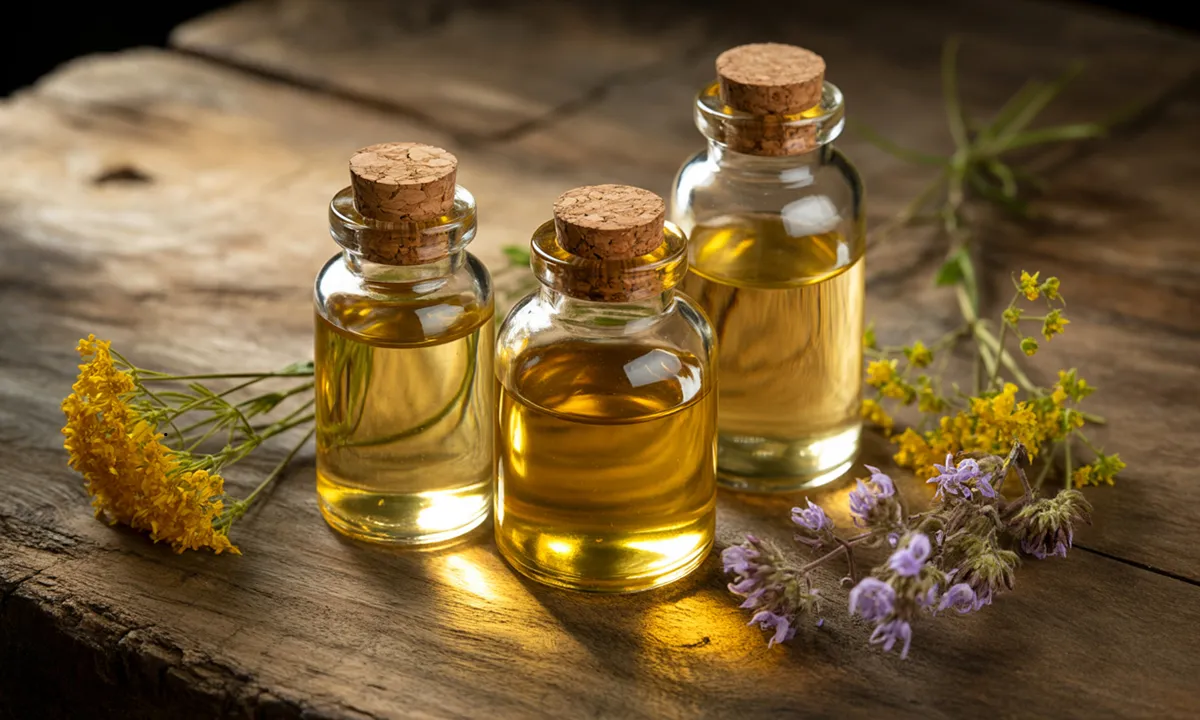


Perfume oils are used across different parts of the fragrance industry, from traditional attar collections to modern oil-based perfumes and commercial fragrance production. However, the term perfume oil can describe several different products. Some are concentrated fragrance compounds used in perfume manufacturing, while others are finished oil-based perfumes prepared for personal use.
Understanding these differences is important for perfume retailers, fragrance brands, resellers and businesses buying perfume oils wholesale. A concentrated fragrance oil may require further formulation before it becomes a finished product, whereas a ready-to-use roll-on perfume is presented in a format intended for consumer application, subject to its product specifications.
At Bin Tammam, we supply wholesale perfume oils for businesses with different fragrance requirements. Our range includes different fragrance categories and oil variations, giving buyers options when planning retail collections and private-label projects. In this guide, we explain the main types of perfume oils, how they differ and where they are used in the fragrance industry.
What Are Perfume Oils?
Perfume oils are aromatic materials or finished oil-based fragrance products used to create scented products. Their composition depends on their purpose. Some contain concentrated fragrance compounds, while finished oil-based perfumes contain a prepared fragrance composition in a suitable base.
In commercial perfumery, fragrance oils can contain a combination of natural aromatic materials, synthetic aroma chemicals and other ingredients selected to create a particular scent profile. The exact composition varies according to the fragrance and its intended application.
Perfume oils are used in several ways:
- Fine fragrance production: Fragrance concentrates can be incorporated into finished perfume formulations.
- Oil-based perfumes: Prepared fragrance products can be presented in oil-based formats.
- Traditional attar collections: Fragrant oils are sold as personal fragrances, often associated with Arabian and South Asian perfume traditions.
- Roll-on perfumes: Oil-based fragrance products are packaged in portable containers with roller applicators.
- Private-label collections: Perfume brands source fragrance options to develop products under their own brand identity.
For businesses, the important distinction is whether the product is a fragrance concentrate, a prepared perfume oil or another type of aromatic material. These products may look similar in a bottle, but they do not necessarily have the same composition or intended use.
Different Types of Perfume Oils
Perfume oils can be grouped according to their composition, production method, fragrance character and intended use. The following categories help explain the main products found in traditional and modern perfumery.
1. Concentrated Perfume Oils
Concentrated perfume oils are fragrance materials containing aromatic compounds in a concentrated form. They are used by perfume brands and manufacturers as part of the development of finished fragrances.
These materials may contain natural extracts, synthetic aroma chemicals or combinations of both. Their scent profiles can range from fresh citrus and floral notes to woody, musky, amber and oud-inspired compositions.
For commercial buyers, the main point is that a concentrated perfume oil is not automatically a finished perfume. It may require dilution, blending or further formulation according to the product’s intended use and technical specifications.
Businesses sourcing concentrated perfume oils should confirm:
- Whether the product is a concentrate or a ready-to-use perfume.
- Its intended application and any relevant use restrictions.
- Whether product-specific technical documentation is available.
- Whether the fragrance suits the finished product they plan to develop.
This distinction is particularly important for private-label perfume brands that source fragrance concentrates before preparing their own finished products.
2. Traditional Attar Oils
Attar, also written as itr or ittar, refers to traditional aromatic oils associated with South Asian and Middle Eastern perfumery. Traditional attar production has historically involved distilling aromatic plant materials, flowers, woods or other botanical ingredients, often using a base oil.
Rose, sandalwood, jasmine and other aromatic materials are associated with traditional attar production. The exact method and ingredients vary according to the type of attar.
Traditional attars should not automatically be treated as identical to modern compounded perfume oils. Some are produced through traditional distillation methods, while modern products marketed as attars may use different fragrance compositions.
For perfume retailers, attar oils provide an opportunity to serve customers interested in traditional oil-based fragrances. They are particularly relevant to businesses selling Arabian, South Asian and other oil-based perfume collections.
When sourcing attars wholesale, buyers should ask about the product’s composition, production description and intended use rather than assuming that every product labelled as attar has been traditionally distilled.
3. Modern Compounded Perfume Oils
Modern compounded perfume oils are created by combining different aromatic ingredients to produce a specific fragrance profile. These compositions may include natural essential oils, isolates and synthetic aroma chemicals.
Unlike traditional attars made through particular botanical distillation methods, compounded fragrance oils can be developed to achieve a wide range of scent directions. These may include floral, woody, fruity, fresh, musky, oriental and gourmand profiles.
For perfume brands, compounded perfume oils offer flexibility when selecting fragrances for a collection. A brand may choose several different compositions to create a range with distinct scent identities.
For example, a perfume collection might include:
- A fresh citrus-inspired fragrance.
- A floral composition with rose or jasmine characteristics.
- A woody fragrance built around sandalwood or cedarwood notes.
- A musky composition with a soft, warm scent profile.
- An oud-inspired fragrance with woody and resinous characteristics.
The actual composition and performance depend on the individual fragrance. A scent description alone does not confirm the ingredients or technical suitability of the oil.
4. Roll-On Perfume Oils
Roll-on perfume oils are oil-based fragrance products supplied in containers fitted with roller-ball applicators. The applicator allows the user to apply a small amount of fragrance to selected areas without spraying it into the air.
Roll-on perfume is a finished product format rather than a separate chemical category of fragrance material. The oil inside may be a prepared perfume composition in a suitable base, depending on the product.
These products are popular in retail collections because they are compact, portable and easy to display alongside other personal fragrance products.
For perfume retailers and private-label businesses, roll-on formats can provide another way to present oil-based fragrances to customers. Before sourcing or developing them, businesses should confirm the formulation, packaging compatibility, intended skin application and applicable product requirements.
At Bin Tammam, buyers can review our roll-on perfume oils category when considering oil-based fragrance options for their business.
5. Oud-Based Perfume Oils
Oud-based perfume oils are fragrance products built around the scent of oud, also known as agarwood. Natural oud oil is associated with aromatic material obtained from certain Aquilaria and related trees following the formation of resinous heartwood.
Natural oud oil is different from an oud-inspired fragrance compound. Modern perfumery may use a combination of natural and synthetic aromatic materials to create a scent profile associated with oud without relying entirely on natural oud oil.
Oud-based compositions can feature woody, smoky, resinous, leathery or warm characteristics, depending on their formulation.
For perfume retailers, oud fragrances are relevant to collections serving customers who prefer deeper woody and traditional Middle Eastern scent profiles. Buyers should distinguish between products containing natural oud oil and compositions designed to recreate an oud-style fragrance.
Businesses interested in this category can review our oud perfume oils range.
Perfume Oils vs Essential Oils vs Fragrance Oils
The terms perfume oil, essential oil and fragrance oil are often used together, but they do not describe exactly the same materials. Understanding the difference helps perfume businesses choose products according to their intended use.
| Product type | What it means | Common role in perfumery |
| Perfume oil | A broad term for an oil-based fragrance product or perfume concentrate | Oil-based perfumes and fragrance production |
| Essential oil | A natural aromatic material obtained from plant sources through processes such as distillation or expression | Supplies natural aromatic ingredients |
| Fragrance oil | A formulated aromatic mixture that may contain natural and synthetic materials | Used to create fragrance compositions and scented products |
Essential Oils
Essential oils are aromatic materials obtained from plants, including flowers, leaves, peels, roots, woods and other botanical parts. Common examples include lavender, peppermint, lemon, rose and eucalyptus oils.
Depending on the plant material, extraction methods can include steam distillation, hydrodistillation or mechanical expression. Citrus peel oils, for example, are commonly obtained through expression, while many other essential oils are produced through distillation.
ECHA+1
In perfume manufacturing, essential oils can contribute natural scent characteristics to a fragrance composition. However, an essential oil is not automatically a complete perfume. It may be one ingredient among many in a wider fragrance formula.
Fragrance Oils
Fragrance oils are formulated mixtures of aromatic materials. They can contain natural ingredients, synthetic aroma chemicals or a combination of both.
Perfumers use these materials to create specific scent profiles, including floral, woody, citrus, amber, musky and fruity compositions. The formulation may also contain other components that help achieve the required performance and compatibility for its intended application.
The Organisation for Economic Co-operation and Development (OECD) explains that fragrance oils are formulated for different end uses, including fine fragrance and functional fragrance applications.
OECD
Perfume Oils
Perfume oil is a broader commercial term and can refer to a concentrated fragrance composition or a prepared oil-based perfume. This is why buyers should always check the product description rather than relying on the name alone.
For example, a fragrance concentrate supplied to a perfume manufacturer may require further formulation, while a finished roll-on perfume is already presented as a consumer product. The two should not be treated as interchangeable.
Oil-Based Perfumes vs Alcohol-Based Perfumes
Oil-based perfumes and alcohol-based perfumes are two common formats in the fragrance market. Both can use similar fragrance compositions, but their finished formulations and methods of application differ.
Oil-Based Perfumes
Oil-based perfumes use a suitable oil-based formulation to carry the aromatic materials. Depending on the product, the base may include ingredients selected to provide the required texture, application and compatibility.
These perfumes are commonly sold in small bottles, roll-on containers and traditional attar formats. They are relevant to businesses serving customers who prefer applying fragrance directly from an oil-based product.
When selecting an oil-based perfume for retail or private-label production, businesses should consider the finished formulation, packaging compatibility, intended skin application and relevant product requirements.
Alcohol-Based Perfumes
Alcohol-based perfumes generally use perfumer’s alcohol as the main carrier for the fragrance composition. The fragrance concentrate is blended into the alcohol base to produce a finished spray perfume.
Common retail formats include:
- Eau de Cologne (EDC).
- Eau de Toilette (EDT).
- Eau de Parfum (EDP).
- Parfum or Extrait de Parfum.
These names are associated with different fragrance concentration conventions, although the exact ranges can vary between brands and industry references. The finished perfume’s concentration is not the same thing as the concentration of the original fragrance oil supplied to a manufacturer.
For businesses sourcing fragrance concentrates, the intended finished format should be discussed before selecting an oil. A concentrate suitable for one formulation should not automatically be assumed suitable for every other format.
How Different Perfume Oils Are Used in the Fragrance Industry
Different perfume oil formats serve different purposes. Some are used as fragrance materials during production, while others are sold directly to customers as finished personal fragrances.
Fine Fragrance and Personal Perfumes
Fine fragrance production uses fragrance concentrates to create products such as perfumes, colognes and other personal fragrances. A perfumer selects aromatic ingredients to develop a particular scent profile, which is then incorporated into a suitable finished formulation.
For example, a fragrance brand may select a woody composition for a men’s perfume collection or a floral composition for a women’s fragrance range. These descriptions help communicate the scent direction, but the final composition depends on the actual fragrance formula.
The OECD classifies fragrance oils used in perfumes, colognes and aftershaves as fine fragrance oils.
OECD
Traditional Attar and Oil-Based Perfume Products
Attar oils and other oil-based perfumes are used in fragrance collections that focus on traditional perfume formats. These products are particularly relevant to retailers selling Arabian and South Asian fragrances.
Rose, musk, sandalwood and oud-inspired profiles are examples of fragrance directions that may appear in these collections. Some products follow traditional attar-making methods, while others use modern fragrance compositions.
For retailers, these products offer an opportunity to serve customers who prefer oil-based personal fragrances rather than conventional spray perfumes.
Roll-On Perfume Collections
Roll-on perfume oils are supplied in compact bottles with roller-ball applicators. This format is suitable for businesses that want to offer portable oil-based fragrances as part of their retail collections.
A retailer may offer several fragrance options in the same roll-on format, such as floral, fresh, woody and musky profiles. The important considerations include the finished formulation, container compatibility and suitability for the intended application.
For businesses planning an oil-based fragrance range, roll-on products can be considered alongside traditional attars and other perfume formats.
Private-Label Perfume Collections
Private-label perfume businesses source fragrance options to develop products under their own brand names. Depending on their business model, they may purchase finished products or source fragrance oils for further product development.
Selecting the right perfume oil is an important part of this process. Businesses should consider the fragrance profile, intended product format, target customers and available technical information before approving an oil.
At Bin Tammam, we offer private-label perfume oils for businesses interested in sourcing fragrance options for their own collections. Buyers can discuss their requirements and review suitable options before proceeding with larger quantities.
How Perfume Businesses Can Choose the Right Type of Oil
The right perfume oil depends on what a business intends to sell or manufacture. A traditional attar retailer may have different requirements from a brand developing alcohol-based spray perfumes.
Before selecting products, consider the following points.
1. Identify the Finished Product
First, decide whether you intend to sell traditional attars, roll-on perfume oils, finished oil-based perfumes or alcohol-based spray fragrances.
This helps establish whether you require a ready-to-use product or a fragrance concentrate that will undergo further formulation.
2. Select Suitable Fragrance Categories
Once the product format is clear, consider the fragrance profiles you want in your collection. Fresh, floral, woody, musky, amber and oud-inspired fragrances can serve different customer preferences.
For example, a retailer specialising in Arabian fragrances may prioritise oud and traditional attar profiles, while a broader perfume retailer may want a varied selection.
3. Consider Your Target Customers
Your fragrance selection should reflect the customers you want to serve. Some customers prefer traditional oil-based perfumes, while others mainly purchase modern spray fragrances.
Review the type of products your customers already buy and select fragrance options that complement your existing collection.
4. Assess Samples Before Purchasing in Bulk
A fragrance description cannot tell you everything about how an oil will perform in your intended product. Reviewing samples gives you an opportunity to compare different options before committing to a larger quantity.
At Bin Tammam, our fragrance sample kits help business buyers assess fragrance options before making wholesale purchasing decisions.
5. Confirm Product Suitability
If you intend to use a fragrance concentrate in a finished perfume or cosmetic product, confirm that it is suitable for that application. Check the relevant product information, recommended use conditions and documentation.
Do not assume that a fragrance oil intended for one application can automatically be used in another. The final formulation and its requirements must be considered.
What to Check Before Buying Perfume Oils in Bulk
After identifying the type of perfume oil you want, review the product and purchasing information before placing a wholesale order.
Product identification: Confirm the fragrance name, product reference and description so you know exactly which oil you are purchasing.
Intended application: Establish whether the product is a fragrance concentrate, a finished oil-based perfume or another type of aromatic material.
Fragrance selection: Compare the available profiles with your planned collection and target customers.
Sample availability: Ask whether samples are available so you can assess selected fragrances before ordering larger quantities.
Technical information: Request relevant product information and documentation for your intended application. Do not assume every fragrance oil has the same technical specifications.
Wholesale requirements: Confirm the available quantity, minimum order requirements, packaging and quotation details for your selected products.
At Bin Tammam, we encourage buyers to share their business type, preferred fragrance direction, intended use and estimated quantity. This helps us understand their requirements and discuss the available wholesale options.
Wholesale Perfume Oil Categories Available at Bin Tammam
At Bin Tammam, we supply wholesale perfume oils to retailers, resellers, perfume brands, distributors and private-label businesses. Our fragrance range includes more than 2,000 oil variations, giving commercial buyers different options when planning their collections.
Depending on your business requirements, you can review several product categories.
- Wholesale Perfume Oils: Our main category for businesses sourcing perfume oils in bulk.
- Oud Perfume Oils: Fragrance options for businesses interested in oud-based collections.
- Arabian Attar Oils: Options for retailers and businesses focusing on Arabian-style oil-based fragrances.
- Roll-On Perfume Oils: A category relevant to businesses considering roll-on fragrance products.
- Private-Label Perfume Oils: Fragrance sourcing options for businesses developing their own collections.
We recommend reviewing samples and confirming the intended use of your selected oils before placing a bulk order. Product availability, quantities and applicable wholesale terms can be discussed during the enquiry process.
If you are planning a new perfume collection or expanding an existing fragrance business, contact our team with your preferred categories and estimated requirements. We can then discuss the available options for your wholesale enquiry.
Conclusion
Different types of perfume oils serve different purposes in the fragrance industry. Concentrated perfume oils are used in fragrance production, traditional attars are associated with oil-based perfumery, modern compounded oils provide a wide range of scent profiles, and roll-on perfumes offer a convenient finished product format.
For perfume retailers, resellers and private-label brands, understanding these differences makes it easier to select products that suit their business model. Before purchasing perfume oils wholesale, confirm the product type, intended application, available information and sample options.
At Bin Tammam, we welcome enquiries from businesses interested in sourcing perfume oils for commercial use. Share your fragrance requirements with our team to discuss the available categories and wholesale options.