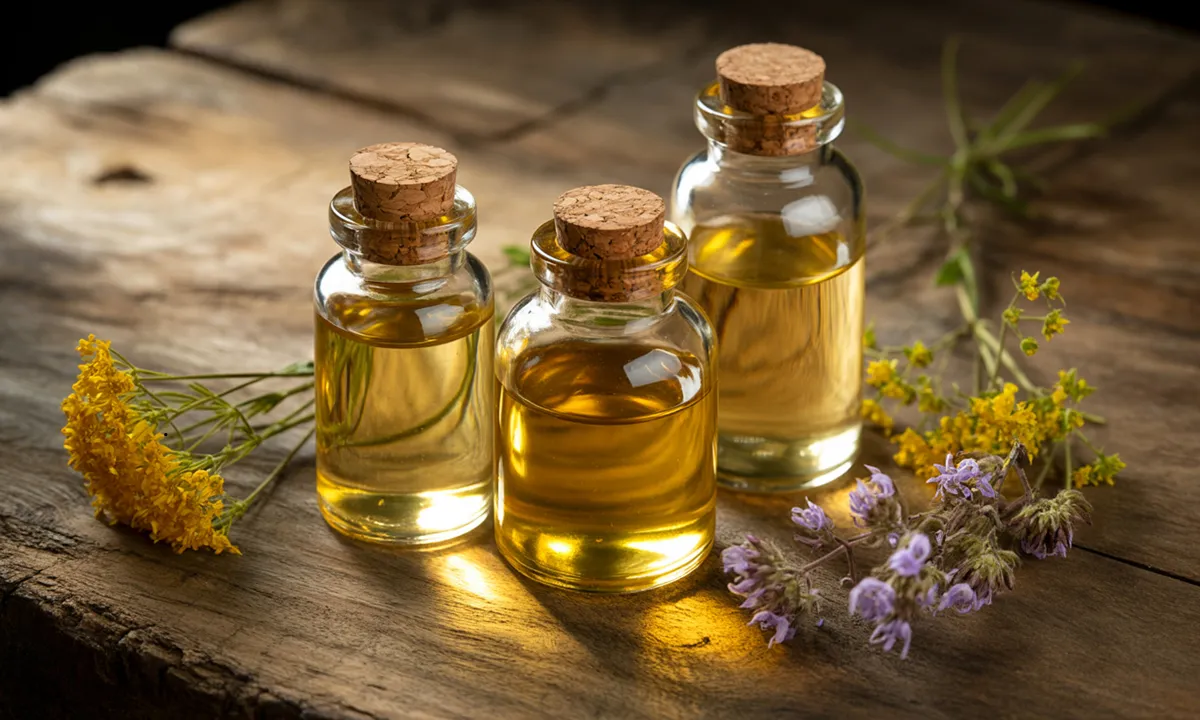

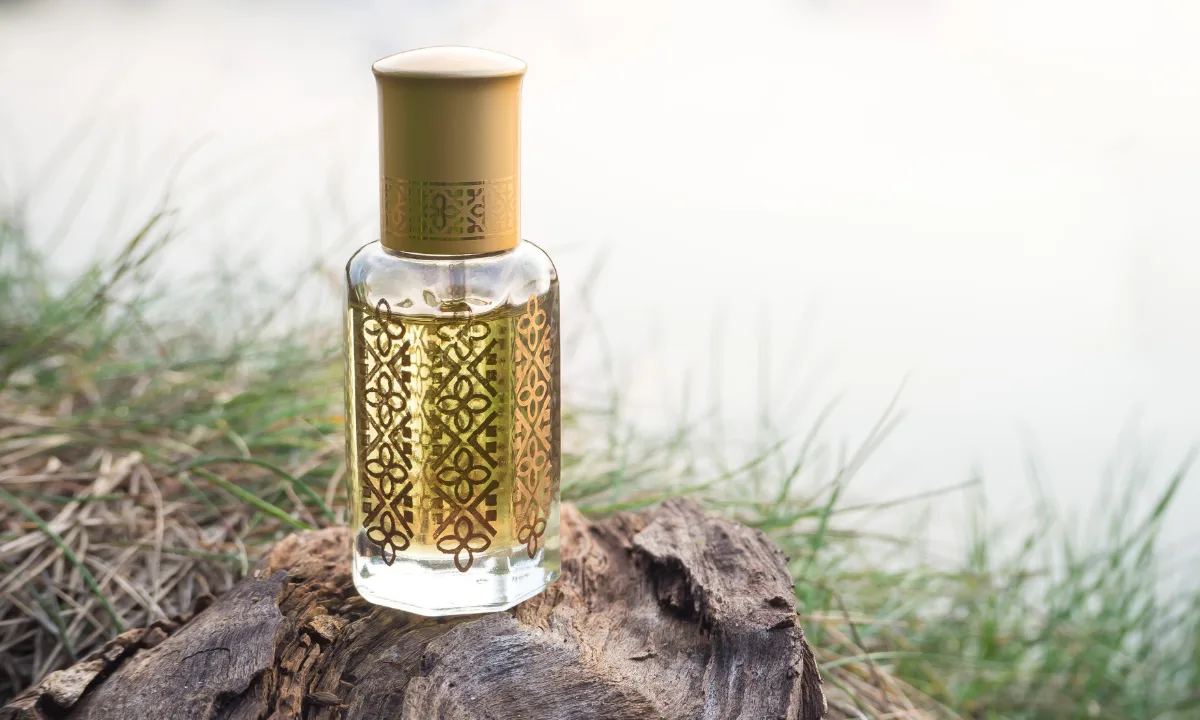
In the bustling streets of Deira, Dubai, the scent of exotic attars often wafts through the air, drawing both locals and visitors into the historic perfumeries of Al Souk and Gold Souq. Attar, also known as Ittar, is a natural, oil-based perfume distilled from flowers, herbs, spices, and rare woods such as oud (agarwood) and sandalwood. Unlike alcohol-based sprays, attars are alcohol-free, skin-friendly, and long-lasting, providing a concentrated fragrance that lingers for hours. For residents of Dubai who value daily rituals, gifting traditions, or even corporate presentations, attars offer more than a scent; they are a cultural statement and a mark of refinement. For anyone exploring fragrance options in the UAE, understanding attar is essential, whether for personal use, aromatherapy, or establishing a private label brand.
At Shaikh Mohd Saeed Est., attars are crafted with centuries-old techniques while combining modern quality standards. The company produces and distributes renowned brands, including Hunaidi, Dhamma Perfumes, Giovanni Bacci, Bernard-Dimitri, Paris Delice, and ARMAS, offering a wide variety of perfume oils, bakhoor, French eau de parfum, and deodorants. For both retail buyers and entrepreneurs in Deira and across Dubai, these products represent authenticity, cultural heritage, and premium quality.
Origins & History of Arabian Attar
The history of attar spans thousands of years, beginning with ancient civilizations in Egypt, Mesopotamia, and India. Attars were initially used for personal scent, religious rituals, and therapeutic purposes. Ancient texts from the Vedic period (around 3000 BCE) describe the use of floral and herbal oils, and the Egyptians valued perfumery as a symbol of status and divine connection. Cleopatra, for instance, famously used rose attar as part of her beauty and ceremonial rituals.
In the Arabian Peninsula, perfumery evolved into a sophisticated art form. Traders brought aromatic plants like roses and jasmine to the region, while local artisans perfected Arabic distillation techniques using copper vessels such as alembics and degs. Scholars such as Abu Yusuf Al Kindi and later Ibn Sina (Avicenna) documented methods to extract and preserve fragrances, establishing processes that are still influential in modern perfumery. The Islamic Golden Age (8th–13th century) further refined attar production, emphasizing alcohol-free extraction methods suitable for religious and daily use.
The tradition continued with the Mughals and expanded into Ittra Nagri in Kannauj, Uttar Pradesh, India, where centuries-old distillation techniques are still preserved. Through trade and migration, Arabian attars influenced perfumery across the Middle East and globally, combining both spiritual and aesthetic significance. Today, these oils are appreciated not only for their historical value but also for their therapeutic and sensory qualities.
Traditional vs Modern Attar Craftsmanship
Traditional attar craftsmanship relies on meticulous steam or hydro distillation in copper vessels, a process that slowly extracts essential oils from flowers, herbs, resins, and rare woods. The resulting oils are then aged to intensify their aroma and are blended carefully to create layered fragrance notes, top, heart, and base. Ingredients such as Kannauj rose, Mysore sandalwood, Arabian oud, jasmine, mogra, chameli, saffron, cardamom, cinnamon, clove, nutmeg, patchouli, basil, mint, and lemongrass are used to create timeless scents. This handcrafted approach produces oil-based, gender-neutral fragrances that are naturally long-lasting, skin-friendly, and rich in character.
Modern attar production at Shaikh Mohd Saeed Est. integrates these traditional methods with precise quality control and contemporary machinery. The company produces perfumes for retail, private label ventures, and wholesale distribution across Dubai, Deira, Fujairah, Abu Dhabi, Umm Al Quwain, and Sharjah. By blending traditional distillation knowledge with modern innovation, they offer products such as Dahn Al Oudh Moattaq, Jazaab, Atheer, and a wide range of natural oils, bakhoor, and deodorants. This combination ensures every attar is authentic, luxurious, and aligned with both cultural heritage and modern lifestyle needs.
Whether used for daily rituals, gifting, or establishing a brand, attars remain unmatched in their concentration, longevity (8–24 hours), and nuanced fragrance profile, offering a sensory experience that cannot be replicated by typical alcohol-based sprays.
Anatomy of Attar: Ingredients & Notes
The true essence of Arabian attar lies in its ingredients and the artful layering of fragrance notes. Unlike alcohol-based sprays, which rely on volatile compounds for immediate impact, attars are oil-based, allowing the scent to unfold gradually over hours. Traditional attars at Shaikh Mohd Saeed Est. use a wide array of natural elements, including oud (agarwood), Kannauj rose, Mysore sandalwood, jasmine, mogra, chameli, saffron, amber, musk, cardamom, cinnamon, clove, nutmeg, patchouli, basil, mint, and lemongrass. Each component contributes a distinct dimension: top notes for the initial impression, heart notes for depth, and base notes for lasting richness.
The process of crafting an attar involves careful distillation in copper vessels (alembics and degs), often followed by slow aging to enhance the aroma. This traditional method ensures that every drop of oil carries a concentrated, unbroken scent. For buyers in Dubai and the wider UAE, these notes are not just fragrances; they are part of a cultural heritage, evoking memories, rituals, and personal identity. Attars created using these practices, including brands like Hunaidi, Dhamma Perfumes, Giovanni Bacci, Bernard-Dimitri, Paris Delice, and ARMAS, exemplify both authenticity and luxury.
Cultural & Spiritual Significance in Arabia
Attars have played a vital role in Arabian culture for centuries, forming an intrinsic part of daily life, religious practices, and hospitality. In Dubai, particularly in Deira and Al Souk, attars are worn before Friday prayers, special dinners, and family gatherings. They are integral to weddings, Eid celebrations, and ceremonial gifting, symbolizing respect, purity, and elegance. Historically, attars were valued not only for their fragrance but also for their therapeutic and spiritual properties, often used in rituals, meditation, and aromatherapy.
The Arabian tradition emphasizes gender-neutral fragrance, making attars suitable for everyone. These perfumes also foster hospitality, as hosts often welcome guests by offering spritzes of attar or sprinkling bakhoor infused with perfume oils, creating a lasting impression. The practice continues today, blending cultural preservation with modern luxury, reinforcing why attars remain so cherished across Dubai’s households and commercial settings.
The Science Behind Oil-Based Perfume
From a scientific perspective, the longevity and depth of attars are directly tied to their oil-based composition. Unlike sprays that rely on alcohol for immediate evaporation, oil acts as a slow-release carrier, gradually diffusing fragrance over time. This allows attars to last 8–24 hours, depending on concentration, skin type, and application, providing an intimate scent experience with subtle projection.
Moreover, oil-based attars are inherently skin-friendly and hypoallergenic, as they do not contain alcohol or synthetic irritants. Natural ingredients such as rose, jasmine, mogra, sandalwood, agarwood, amber, and musk not only provide aromatic complexity but also offer therapeutic effects, including calming and stress-relief properties. For residents in Deira, Dubai, understanding this science helps in selecting the right attar for daily use, gifting, or even professional presentation, ensuring both fragrance impact and skin safety.
Modern Uses of Arabian Attar Oils
Today, attars are more than a traditional luxury, they are versatile, practical, and culturally meaningful. Modern uses include:
- Daily Wear: Applied to pulse points such as wrists, behind ears, and hair, attars provide a subtle, long-lasting fragrance suitable for office, casual, or formal occasions.
- Wellness and Aromatherapy: Certain oils, like sandalwood, agarwood, and jasmine, are valued for stress reduction and relaxation. Aromatic layers support mental clarity and calmness.
- Gifting and Special Occasions: Attars are ideal for weddings, Eid, and corporate gifting. Customized blends allow for personal or brand-specific touches.
- Commercial and Private Label Use: Entrepreneurs in Dubai leverage attars to create signature scents or launch private label perfume oils. At Shaikh Mohd Saeed Est., clients receive end-to-end support for formulation, production, and branding of attars, French eau de parfum, deodorants, and bakhoor.
Attars remain a bridge between heritage and modern lifestyle, offering a product that satisfies both cultural expectations and contemporary preferences. With options like Dahn Al Oudh Moattaq, Jazaab, Atheer, and artisan blends featuring oud, rose, jasmine, sandalwood, and spices, every attar tells a story while remaining highly functional for daily use. We support fragrance businesses with wholesale perfume oils, Arabian attar oils, oud perfume oils, sample kits, and private label perfume oil options for buyers who want premium scent profiles suited to Dubai’s market.
Buying Guide: How to Choose Quality Attar
Selecting authentic Arabian attar oils requires attention to source, ingredients, and craftsmanship. Buyers in Deira, Dubai, should look for attars that are oil-based, alcohol-free, and handcrafted using traditional Arabic distillation techniques. Brands like Hunaidi, Dhamma Perfumes, Giovanni Bacci, Bernard-Dimitri, Paris Delice, and ARMAS offer a wide range of authentic attars, ensuring that every bottle is genuine and long-lasting.
When evaluating attars:
- Check Ingredients: Premium attars use natural oils like oud (agarwood), Mysore sandalwood, Kannauj rose, jasmine, mogra, chameli, saffron, amber, and musk. Avoid products with synthetic fragrances or alcohol unless it is a specifically labeled as spray perfumes.
- Observe Color and Clarity: High-quality oils are usually clear or slightly amber-colored, not cloudy or overly viscous.
- Longevity: A well-crafted attar will last 8–24 hours on the skin. Even small amounts provide a strong, intimate projection.
- Reputation and Source: Established perfumeries, such as Shaikh Mohd Saeed Est., maintain heritage property stores in Al Souk, Deira and distribute across the UAE, including Fujairah, Abu Dhabi, Umm Al Quwain, and Sharjah. These locations provide trust, authenticity, and customer support.
For buyers interested in private label perfume oils, the company provides consultation, production, and branding support, helping entrepreneurs establish unique attar lines that reflect both tradition and modern fragrance trends. Bintammam helps fragrance brands source premium perfume oils, Arabian attars, oud oils, sample kits, and private-label options to create luxurious scents for Dubai’s market.
Attar vs Alcohol-Based Spray Perfumes
Understanding the difference between attars and sprays is crucial for selecting the right perfume:
| Feature | Attar (Oil-Based) | Spray Perfume (Alcohol-Based) |
| Base | Natural oils | Alcohol |
| Longevity | 8–24 hours | 4–12 hours |
| Projection | Intimate, subtle | Moderate to high, spreads faster |
| Ingredients | Oud, rose, jasmine, sandalwood, spices | Aldehydes, musks, fruit esters, synthetic chemicals |
| Skin Sensitivity | Gentle, hypoallergenic | Aldehydes, musks, fruit esters, and synthetic chemicals |
| Cultural Significance | Deep-rooted Arabian traditions | Modern convenience, fashion-focused |
Attars provide a layered fragrance experience with top, heart, and base notes that evolve over hours, making them ideal for daily use, ceremonial occasions, and gifting. Sprays are convenient for office or travel but often lack the depth and cultural resonance of traditional attars. Residents of Dubai who frequent Gold Souq, Murshid Bazar, and Al Souk continue to prefer attars for both personal and ceremonial use due to their authenticity and long-lasting aroma.
Attar Safety, Application & Storage
To ensure the best experience and longevity:
- Application: Apply attar to pulse points like wrists, behind ears, and inner elbows. Minimal application ensures fragrance lasts without overwhelming.
- Avoid Rubbing: Rubbing wrists or areas together can break down the scent molecules and shorten longevity.
- Storage: Keep attars in cool, dark, airtight containers, away from direct sunlight and heat to maintain purity and aroma.
- Skin Sensitivity: Oil-based attars are generally hypoallergenic. However, testing a small amount before first use is recommended, especially for sensitive skin.
Proper application and storage preserve both the aroma and therapeutic qualities of natural ingredients like oud, rose, sandalwood, jasmine, and amber, ensuring the perfume maintains its quality and cultural authenticity.
FAQs on the History of Arabian Perfume Oils
1. What is Arabian attar perfume oil?
Arabian attar is a natural, alcohol-free perfume distilled from flowers, herbs, spices, and woods such as oud and sandalwood. It is long-lasting, skin-friendly, and culturally significant in the UAE.
2. How is attar different from spray perfume?
Attars are oil-based and evolve over hours, while sprays are alcohol-based with immediate but shorter-lived projection. Attars are also hypoallergenic and culturally traditional.
3. Can attars be used daily?
Yes. Attars are suitable for everyday wear, prayer, special occasions, and gifting. Minimal application ensures the scent lasts throughout the day.
4. Which attar ingredients are most popular in Dubai?
Top ingredients include oud (agarwood), Mysore sandalwood, Taif rose, jasmine, mogra, chameli, saffron, amber, and musk.
5. Where can I buy authentic Arabian attars in Dubai?
Trusted sources include Shaikh Mohd Saeed Est. locations in Al Souk, Deira, Murshid Bazar, Gold Souq, and outlets across Sharjah, Fujairah, Abu Dhabi, and Umm Al Quwain. They also offer private label creation for entrepreneurs.
Conclusion: Why Attar Matters Today
Arabian attars are more than fragrances; they are an enduring tradition, a cultural expression, and a mark of personal refinement. Their long-lasting oil-based composition, natural ingredients, and carefully layered notes make them unique compared to modern spray perfumes. Whether for daily use, gifting, aromatherapy, or private label fragrance businesses, attars maintain their relevance across Dubai, Deira, and the wider UAE.
At Shaikh Mohd Saeed Est., attars are produced using traditional Arabic distillation techniques, offering brands like Hunaidi, Dhamma Perfumes, Giovanni Bacci, Bernard-Dimitri, Paris Delice, and ARMAS, and products including oud oils, rose attars, bakhoor, French eau de parfum, deodorants, and spice-infused luxury blends. These attars honor heritage while catering to modern fragrance needs, ensuring that every customer experiences authenticity, quality, and the timeless elegance of Arabian perfumery.
For those in Dubai seeking premium attars or custom private label perfumes, visiting Al Souk, Deira, Murshid Bazar, or Gold Souq provides not only access to luxury fragrances but also guidance on selecting scents that reflect tradition, personality, and lifestyle.